The Shadow School System: 5 Surprising Truths About the Global Tutoring Industry
YAP
Yap. Learn. Earn. Repeat
Dec 30, 2025
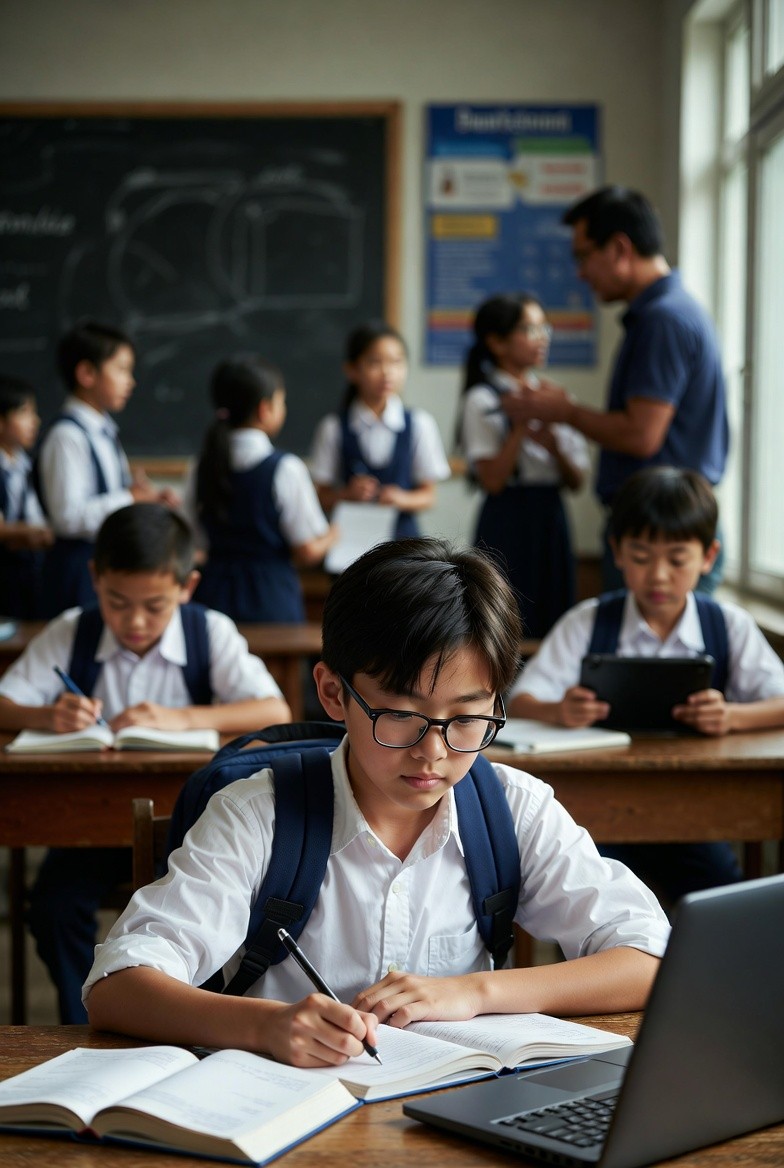
For countless parents, ensuring a child's academic success is a top priority, a goal often accompanied by a low hum of anxiety. This concern has fueled a familiar sight in cities and towns worldwide: brightly lit tutoring centers and after-school academies promising better grades and higher test scores. But this sprawling industry, with expenditures in the billions, is more complex than it appears.
Education policy experts refer to this world of private supplementary lessons as "shadow education" because it mimics the content of mainstream schooling—as the official curriculum changes, so does the curriculum in the shadow. Based on a comprehensive report from UNESCO, this article will explore five surprising and often counter-intuitive truths that reveal the deep and complicated relationship between our schools and the shadow system that runs parallel to them.
1. Well-Intentioned School Reforms Can Accidentally Fuel the Tutoring Boom
It seems logical that improving public schools would reduce the need for private tutoring. However, history shows that the opposite can be true: well-intentioned government policies can have the unintended consequence of making the shadow education market even larger.
A classic example comes from Japan in the 1960s. Two separate policies collided to create a perfect storm for the tutoring industry. In 1966, the government prohibited public schools from offering supplementary tutoring and exam preparation. Then, just two years later, a 1968 national curriculum reform made schoolwork significantly more difficult. In one survey, 80.4% of lower secondary teachers reported that their students could not understand half the curriculum.
With schools no longer able to provide extra help and the curriculum becoming harder, a massive gap emerged. Private tutoring centers, known as juku, rushed in to fill the void, offering the remedial and supplementary support that families desperately needed. A similar pattern appeared in China, where policies designed to reduce student workloads by shortening official school hours unintentionally drove more parents to arrange private tutoring to compensate. This historical example offers a critical lesson for modern policymakers: educational reforms, particularly those aimed at reducing student burden or restricting school activities, must be viewed systemically. Without anticipating how the private market will respond to induced demand, well-intentioned policies can inadvertently strengthen the very "shadow" they seek to diminish.
2. It's a Global Phenomenon, Even in Places You'd Least Expect
While many people associate the "cram school" culture with East Asian countries like Japan and the Republic of Korea, private tutoring has become a global phenomenon. The pressures of competition and perceived gaps in public schooling are driving families everywhere to seek extra academic help.
The global reach of shadow education is illustrated by a wide range of data:
Southern Europe: In Greece, a 2000 survey of first-year university students found that a staggering 80% had used private tutoring schools to prepare for admissions.
The Middle East & Africa: Egypt has such a long history with the practice that its regulations for private tutoring date back to 1947. In South Africa, the growth has been explosive, with tutoring enrollment for Grade 6 students jumping from just 4.0% in 2007 to 29.1% in 2013.
Northern Europe: Even in regions known for strong and equitable public schooling, tutoring is emerging. Rising competition, both local and global, is now pushing families in these countries toward the shadow education market.
This worldwide spread demonstrates that the drive to secure an educational advantage is not confined to one culture or region. It has become a universal response to the pressures of modern education systems.
3. Banning Tutoring Can Lead to Protests from Parents
Some governments, concerned about fairness and the ethical conduct of teachers, have tried to ban or severely restrict private tutoring. These efforts, however, are often met with immense public pushback, revealing just how essential tutoring has become in the eyes of many parents and students.
In Tripura State, India, the government's attempt to enforce a ban on private tutoring by government teachers was met with protests from parent and student groups. They argued that the formal school system was simply not enough to prepare students for high-stakes exams. A spokesperson for one protest group made a powerful case for the necessity of tutoring:
"In actual classes in schools it is impossible for teachers to clarify everything within the limited time or periods; the syllabus for classes XI and XII is huge and without private tuition by teachers of schools … students cannot even finish the syllabus for board exams, let alone prepare well for [the more prestigious] competitive exams”.
This was not an isolated incident. The Republic of Korea attempted a sweeping ban on private tutoring in 1980, but the government eventually found the position "untenable" and reversed its policy. This fierce parental pushback reveals a profound lack of trust in the state's ability to adequately prepare students for a competitive future. In these systems, parents view tutoring not as a supplement, but as a non-negotiable remedy for the perceived failures or limitations of mainstream schooling.
4. It Creates a Moral Minefield for Public School Teachers
One of the most controversial aspects of shadow education involves in-service public school teachers who also provide private, paid tutoring. This practice creates a serious ethical problem due to the potential for a major conflict of interest.
Commentators fear that teachers who tutor their own students may neglect their primary duties in the classroom to focus on their more lucrative private lessons. There is a temptation for teachers to deliberately save important material for their private sessions or to favor their paying students during regular class time and on school-based exams. The UNESCO report highlights this fundamental issue:
...these are among the factors underlying what Jayachandran (2014) has called “incentives to teach badly”.
This dilemma is complicated by the fact that the primary motivation for teachers to take on extra tutoring work is often financial, especially in countries where teacher salaries are low. This creates an intractable dilemma for regulators: banning the practice can drive it underground and harm teachers in underfunded systems who rely on the income, while permitting it sanctions a system rife with ethical conflicts. It's a policy minefield with no easy answers.
5. Governments Are Now Partnering with the 'Shadow'
In a surprising reversal, some governments that once ignored or actively fought against shadow education are now collaborating with it. This trend of Public-Private Partnerships (PPPs) marks a significant shift in how policymakers view the tutoring industry.
A prominent example is the National Tutoring Programme (NTP) launched in England in response to learning loss from the COVID-19 pandemic. The government dedicated public funds to hire private tutors from approved agencies to help students catch up. Proponents of such partnerships argue they can be highly effective. The CEO of the Australian Tutoring Association, observing a similar program, saw it as a way to avoid a situation where “you have two systems that distrust one another rather than engage.”
However, these partnerships are not without pitfalls. One report on the UK's NTP revealed that a participating company had outsourced tutoring to individuals in Sri Lanka who were "as young as 17 and earning as little as £1.57 an hour." Such controversies highlight the complexities of this new era, where the lines between public education and the private tutoring market are becoming increasingly blurred.
Conclusion: The Shadow Isn't Going Away
From its explosive growth fueled by unintended policy consequences to its establishment as a global norm, shadow education is far more than just after-school homework help. It is a permanent and influential part of the modern education ecosystem, creating ethical dilemmas for teachers, challenging government regulations, and even becoming an official partner to public schools. As this massive "shadow" industry continues to grow and even partner with our schools, how do we ensure that the goal remains quality education for all, not just an advantage for those who can pay?